Author

admin

Browsing

There’s really nothing on the baseball calendar for June 26 that makes it especially memorable. (OK, maybe Derek Jeter’s birthday …) Perhaps appropriately, just a regular Thursday is a special day at one of MLB Network’s flagship programs.

For “MLB Central” hosts Robert Flores, Lauren Shehadi and Mark DeRosa, it will mark the 1,000th show since they first got together in 2018. But don’t expect them to spend too much time celebrating.

“Sure, we’re obsessed with the big events and the big milestones,” Shehadi says, “but on a random Tuesday in August, we want to be at our best.

“It consumes us how much we love this show and this job and how much we want to honor the game and the players.”

And therein lies the key to the show’s staying power.

Day in, day out

After this many shows, the three hosts have their routine down pat. Get to the studio at 6:45 a.m. every weekday from spring training through the playoffs. Plot out the segments and guest appearances before going on the air from 10 a.m. to noon ET. Then continue what Flores calls ‘the free flow of ideas’ over texts and calls throughout the rest of the day.

But “MLB Central” isn’t a typical baseball program.

“We try to show you a baseball side that maybe you didn’t see or maybe didn’t pick up on during the game,” says DeRosa, who played 16 seasons in the majors from 1998-2013.

“But we try and honor the stories of the players and we try and make you laugh.”

The chemistry they have together is a big part of that. DeRosa and Shehadi quickly agree Flores has the quickest wit among them. But there’s still something else that makes everything click.

“Authenticity,” Shehadi says, pointing out she and Flores have journalism backgrounds. “I think we consume baseball so differently, as do the fans, so we ask questions that the fans want to know.” Meanwhile, DeRosa provides the on-field experience.

“It’s a beautiful harmony,” she explains.

Silly + serious = ‘awesome’

From their collaborative process, many ideas surface. But not all of them make it on the air.

Generally, it’s DeRosa who gets the ball rolling – working with editorial producer Eric Nehs on something technical such as a player’s defensive footwork or Vladimir Guerrero Jr.’s swing plane. But there’s always room for something fun, too.

“DeRo is the most unique analyst I’ve ever worked with because he has a great feel for TV,” Flores says. “There are a lot of analysts who can tell you what happened, but DeRo thinks about it like a TV producer.”

One recent example stemmed from a rash of injuries the Minnesota Twins had experienced. The three were discussing how to deal with the “injury bug” when DeRosa had a vision of Twins manager Rocco Baldelli as an exterminator.

“It was so silly … and so awesome,” Shehadi recalls.

Soon after, the production team whipped up the perfect graphics to help DeRosa pull it off.

The result is an informative and entertaining two-hour block that keeps casual fans and baseball experts equally engaged. Ratings are pacing 6% ahead of last year in the latest Nielsen figures, according to Sports Business Journal.

“We know that there are players watching, there are coaches, there are managers, front office executives, owners. Anyone connected with major league baseball, they are watching,’ DeRosa says. ‘So we take that very seriously.”

Glimpse into the future

After passing the big milestone, the “MLB Central” crew is always looking forward to what’s next.

In the near-term, they’ll be keeping their eyes on the July 31 trade deadline. The Rafael Devers to San Francisco deal was a stunner, but who else might be moved?

Marlins pitcher Sandy Alcantara and Diamondbacks third baseman Eugenio Suarez, says DeRosa. Flores offers up Cardinals reliever Ryan Helsley, but with a caveat: “The Cardinals are just one game back (in the wild card race).”

Ah yes, the playoffs.

“I think the Cubs have a chance to win the whole thing,” DeRosa says.

“Don’t sleep on the Giants,” Flores counters. “That’s a team that could make a deep run with what they’ve got.”

Even further down the road, everyone’s mind keeps looking for ways to improve, to shake things up, to book interesting guests.

The guest they’d all love to have someday: Shohei Ohtani.

“In a world where we know everything about everyone, I still feel like he’s the most mysterious, magical player maybe in all of pro sports,” Flores says. “Maybe in all of the world.”

DeRosa goes in a different direction. “I’d like to get some A-list celebrities like Tom Cruise, Brad Pitt,” he offers.

MLB Central has made its mark by being different from other sports talk shows that may rely more on high volume, bluster and hot takes.

“While all these other shows are doing whatever,” Flores says, ‘we’re trying to give them smart analysis and insight and celebrating the game and trying to make you laugh, all in the same two hours.”

This post appeared first on USA TODAY

It’s the day that all struggling NBA franchises have been dreaming of: the NBA draft. (The first day, anyways.)

Duke freshman and national player of the year Cooper Flagg was selected as the top pick by the Dallas Mavericks, tabbing him as the future face of the franchise in the post-Luka Dončić era. He is expected to wear No. 32 for Dallas.

“I think just hearing my name get called,’ Flagg told ESPN about what made the night special. ‘Sharing that moment with my mom, my dad and two brothers. That’s a moment I am going to remember for the rest of my life. … It was a blur as soon as I heard it happen.”

The forward from Newport, Maine, spent just one season with the Duke Blue Devils. Flagg’s season ended with a loss to Houston in the Final Four.

The do-it-all young star led the Blue Devils in scoring, rebounding, assists and steals. Flagg, who added more muscle since the start of the year, is a physical player who initiates contact, is confident and plays with force when necessary.

Here’s everything else that unfolded in the first round of the NBA draft, including the full rundown of picks:

No. 30 Los Angeles Clippers, Yanic Konan Niederhauser, Penn State

The 6-11 Niederhauser, who is from Switzerland, averaged 12.9 points, 6.3 rebounds and 2.3 blocks in one season at Penn State after transferring from Northern Illinois. He performed well at the G League Elite Camp and earned an invite to the draft combine, where his athleticism in the paint stood out. – Jeff Zillgitt

No. 29 Phoenix Suns, Liam McNeeley, UConn

Trade: McNeeley is heading to Charlotte as the 29th pick was part of the Hornets’ return for sending Mark Williams to Phoenix.

His slide is over. What McNeeley may lack in fluid athleticism, he more than makes up for with a smooth, natural shot and knack for drawing fouls and getting to the free throw line. He also has a quick release and plenty of range to suggest that he should get early minutes. He bounced back since suffering an ankle injury on New Year’s Day that sidelined him for a few weeks. McNeeley struggled with his shot at times down the stretch. – Lorenzo Reyes

No. 28 Boston Celtics, Hugo Gonzalez, Real Madrid (Spain)

One of Europe’s top young NBA prospects, Gonzalez is a versatile wing with the ability to score inside and out. He can handle the basketball, pass and is a surprising shot-blocker. – Jeff Zillgitt

No. 27 Brooklyn Nets, Danny Wolf, Michigan

The busy Brooklyn Nets drew a roar out of their fans still in the building when they announced this pick. The Yale transfer turned into a first-round selection thanks to his fluid scoring and play-making portfolio in the package of a 7-foot stretch big. Wolf played point guard at times this past season for the Wolverines just like he played center. His handles make him a threat as the initiator in pick-and-roll actions and his range should translate to the NBA. – Lorenzo Reyes

No. 26 Brooklyn Nets, Ben Saraf, Ratiopharm Ulm (Germany)

He’s just as comfortable knocking down a step-back jumper, finding creases in the paint and dishing the ball with excellent vision. He may need some time to develop as he adjusts to NBA athletes, but his length and size at point guard make him an intriguing pick. – Jeff Zillgitt

No. 25 Orlando Magic: Jase Richardson, Michigan State

Richardson improved as the season progressed and turned into the Spartans’ steady hand with the basketball as a shooter (inside and out) and facilitator. He is an active defender with surprising bouts of athleticism. He also has a knack for collecting rebounds, big plays and poise under pressure. – Lorenzo Reyes

No. 24 Oklahoma City Thunder, Nique Clifford, Colorado State

Trade: Clifford is heading to the Sacramento Kings.

Clifford is a versatile wing who does a lot of things – scoring, rebounding, passing and defending. He has a quick burst on drives to the basket and can finish with force or finesse. He logged big minutes for Colorado State and was excellent in the Rams’ final six games before the NCAA tournament, posting 25.3 points, 7.8 rebounds, 5.2 assists and 1.5 steals and shooting 60% from the field, including 54.8% on 3s. – Jeff Zillgitt

No. 23 New Orleans Pelicans, Asa Newell, Georgia

Trade: Newell is heading to the Atlanta Hawks.

This was originally an Indiana pick but was part of the Pascal Siakam deal some years ago. Based on his size, Newell wouldn’t appear to be as quick and fluid as he is, which should make him an instant threat in pick-and-roll situations. He was one of the lone bright spots for the Bulldogs in a loss against No. 1 Auburn with a team-high 20 points. His scoring dipped at the end of the regular season, however, he had 20 points and eight rebounds in a first-round NCAA Tournament loss to Gonzaga. – Lorenzo Reyes

No. 22 Brooklyn Nets (via Atlanta), Drake Powell, North Carolina

Trade: The Nets acquired this pick in the Kristaps Porzingis trade.

Powell is active on both ends of the court as a shot-blocker and physical and versatile defender, and as a player who likes to run the court, launch catch-and-shoot 3s and go one-on-one in the halfcourt. Playing on a deep team, especially on the perimeter, Powell doesn’t possess eye-popping offensive stats but his shooting stats reveal his potential. Was an efficient scorer in limited opportunities and can be a solid rebounder from the perimeter. – Jeff Zillgitt

No. 21 Utah Jazz, Will Riley, Illinois

Trade: Riley is heading to the Washington Wizards.

Riley (12.6 ppg, 4.1 rpg, 2.2 apg) has good size and playmaking ability for a shooting guard who can make 3s and find open teammates. Like many, he will look for offensive rebounds, but his shot is a work in progress. The mechanics are there and he improved as a shooter and scorer as the season progressed. He shot 37-for-72 (51.4%) from the field and averaged 16.3 points in the Illini’s final six games. – Scooby Axson

No. 20 Miami Heat, Kasparas Jakucionis, Illinois

This pick came as part of the trade that sent Jimmy Butler to the Warriors, and Miami, which got thumped in the first round of the playoffs, is getting play-making at guard. Jakucionis is a scorer and passer. He has range with a nice 3-ball, can shoot off the dribble from deep, including on step-back 3s, and looks for an open teammate when he draws multiple defenders. Jakucionis sees the court well with savvy passes and likes to get to the rim for layups. But he can be turnover-prone. – Lorenzo Reyes

No. 19 Brooklyn Nets, Nolan Traore, Saint-Quentin (France)

Traore is a point guard who can score and pass and has court awareness but also a propensity for bad turnovers. He’s quick, can get to the rim and is comfortable taking his defender off the dribble. Needs to work on his shooting efficiency, especially on 3s. – Jeff Zillgitt

No. 18. Washington Wizards, Walter Clayton, Florida

Trade: Clayton is heading to the Utah Jazz.

The Jazz went with another bucket getter who can create his own shot in Clayton, who helped the Florida Gators win the national championship and was named the Most Outstanding Player of the Final Four. He had 34 points in the national semifinals against Auburn and 11 points, seven assists and five rebounds in the championship victory against Houston. He also scored 30 points in a regional final against Texas Tech and was 21-for-42 from the field in the Gators’ final three games. – Scooby Axson

No. 17 Minnesota Timberwolves, Joan Beringer, KK Cedevita (Adriatic League)

After consecutive trips to the Western Conference finals, the Timberwolves are getting a boost of athleticism in the low block. Beringer had gained traction among NBA scouts and executives as a mobile big man who can run the pick-and-roll as a screener on offense and guard the pick-and-roll. He doesn’t have a lot of experience but his potential, especially as a rim protector, made him a first-round prospect. Another player who improved throughout the season. He has played basketball for only four years. – Lorenzo Reyes

No. 16 Memphis Grizzlies, Yang Hansen, Qingdao (China)

Trade: Hansen is heading to the Portland Trail Blazers.

The 7-2 center was named the Chinese Basketball Association Rising Star in his first two seasons and averaged 16.6 points, 10.5 rebounds and 3.0 assists in 2024-25. – Jeff Zillgitt

No. 15 Oklahoma City Thunder, Thomas Sorber, Georgetown

At this point, the world champion Thunder are collecting assets, as all of their core players plan to run it back for years to come. General manager Sam Presti has assets to play with if they want to wheel and deal, including nearly a dozen first-round picks from here to the end of the decade.

Sorber, a forward-center, required surgery to repair a foot injury suffered Feb. 15 and missed the rest of the season. But Sorber is a stellar inside threat who’s just as comfortable cutting to the basket on pick-and-rolls as he is backing down opponents. His rebounding and rim protection will make him an asset, as he continues to grow into his frame. — Scooby Axson

No. 14 San Antonio Spurs, Carter Bryant, Arizona

Their second pick of the night, the Spurs get more athleticism at forward, and continue building a solid, young core. The athletic forward provides a solid combination of strength and fluidity. He has lateral quickness to stay in front of the ball and the ability to block shots. He can still improve on his technique as a finisher and in scoring efficiency. – Lorenzo Reyes

No. 13 Atlanta Hawks, Derik Queen, Maryland 

Trade: Queen is heading to the New Orleans Pelicans.

An active, physical big man, Queen has a soft touch around the rim with either hand and has a power game, too. He can run the court and handle the basketball well for a power forward-center. He has good hands, footwork and the mechanics to become a shooter who can stretch the floor. Queen had 27 points, five rebounds and two steals in a Sweet 16 loss to eventual champion Florida. – Jeff Zillgitt

No. 12 Chicago Bulls, Noa Essengue, Ratiopharm Ulm (Germany)

The Bulls have been stuck in the play-in window, but their play improved toward the end of the season as point guard Josh Giddey commanded the offense. Now, Chicago is getting a competitive and active young player. The next forward with elite finishing ability to come out of France, Essengue figures to be more of a developmental prospect, but his size, instincts at the rim and plus-defensive ability could make him a star if he bulks up. – Lorenzo Reyes

No. 11 Portland Trail Blazers, Cedric Coward, Washington State 

Trade: Coward is heading to the Memphis Grizzlies.

Coward, is an experienced player who can contribute right away. He started his college career at Division III Willamette University, transferred to Eastern Washington and then to Washington State. He played in just six games in 2024-25 with a shoulder injury ending his senior season in November. Coward has great size for a guard, is solid on catch-and-shoot 3s and has the ability to get to the rim. – Jeff Zillgitt

No. 10 Phoenix Suns (via Houston), Khaman Maluach, Duke

This pick was part of the trade that shipped Kevin Durant to the Rockets, so Houston selected on behalf of Phoenix, which gets much-needed height. Playing about 20 minutes per game, Maluach is a mobile big who excels in pick-and-rolls and has the hands to catch lobs for easy dunks; soft touch at the rim; shot-blocker/rim protector; active on the offensive glass; will get stronger and has a great aptitude for the game, learning concepts quickly. — Lorenzo Reyes

No. 9 Toronto Raptors, Collin Murray-Boyles, South Carolina

Although he’s a bit undersized for a power forward, Murray-Boyles plays with intense effort and determination, which will very quickly please his NBA coaches. He also has plenty of strength to finish at the rim and was the SEC’s No. 3 rebounder. Murray-Boyles had 35 points and seven rebounds against Arkansas late in the regular season and had 20 points and 12 rebounds in a loss to Arkansas in the SEC tournament. He is the Gamecocks’ first lottery pick. — Jeff Zillgitt

No. 8 Brooklyn Nets, Egor Demin, BYU

For the first of the five first-round picks they entered the night with, the Nets are looking to bolster their production along the wing. Demin is a Russian playmaker who can make quick decisions and facilitate for others. Demin is the size of a wing player but has guard-like skills. On defense, he uses his length to his advantage while forcing turnovers and being active in passing lanes. His shooting efficiency is a concern. Demin had difficulty with his offense as the season progressed. — Lorenzo Reyes

No. 7 New Orleans Pelicans, Jeremiah Fears, Oklahoma

Fears is quick on the dribble, has strength going to the rim, can finish and draws fouls. He operates well in the pick-and-roll as a scorer and passer but needs to improve his 3-point shot. Fears scored a season-high 31 points and added five assists and four rebounds in a win against ranked Missouri. Fears had a strong SEC tournament, producing 29 points, six rebounds and five steals plus five turnovers in a victory against Georgia and 28 points, five assists, four rebounds and three steals (just one turnover) in a loss to Kentucky. — Jeff Zillgitt

No. 6 Washington Wizards, Tre Johnson, Texas

Johnson is a natural shooter and scorer, with the ability to blow by defenders with ease and should fit in well with a Wizards team that is desperately in need of a spark of any kind. He does well when scoring on the move and is a decent playmaker for his size. He still needs to work on his ability to make plays for others. He must also work on his strength and his explosiveness in order to assert himself as a finisher at the rim. — Scooby Axson

No. 5 Utah Jazz, Ace Bailey, Rutgers

Bailey has prototypical size for a wing in the NBA, but there have been questions about him since he decided not to work out for teams, and reportedly put together a wish list of possible destinations instead of being content with being drafted. Bailey’s game on the court starts with his shooting; he is not great from long distance but can have an impact in the mid-range and score with the best of them. Shot selection is a concern, and his success will depend on how he is used. But he displays an array of shots to get his points, whether it’s floaters, catch-and-shoot off the break, or going to the rim. — Scooby Axson

No. 4 Charlotte Hornets, Kon Knueppel, Duke

The Hornets need shooting, and Knueppel can ignite an offense with his 3-point shot, thanks to an efficient motion, seemingly always ready to receive the ball in his shooting pocket. He can also lace shots from midrange, take care of the ball and is money on free throws. In the ACC tournament, Knueppel averaged 21 points (28 against Georgia Tech) and shot 48.6% from the field, stepping up with Flagg injured. — Jeff Zillgitt

No. 3 Philadelphia 76ers, VJ Edgecombe, Baylor

The first thing you notice about Edgecombe is his supreme athleticism and a strong, NBA-ready frame. That means he will put a lot of players on a poster with his jumping ability and can use his quickness to be a pest on the defensive end. The Bahamian native has displayed his athleticism, has shown he can be explosive and has an elite knack for steals. He will be able to contribute at the NBA level and can be aggressive at the point of attack. — Scooby Axson

No. 2 San Antonio Spurs, Dylan Harper, Rutgers

The lefty stroke will remind some of Jalen Brunson, but Harper has far more size at 6-6 and tremendous length with a wingspan of 6-foot-10. Harper’s best asset at the next level might be his versatility to run point and play off the ball. But the Spurs suddenly have a surplus at guard with De’Aaron Fox — whom they acquired in a midseason trade — and Stephon Castle already in the fold. San Antonio could look to move one of them later in a corresponding move. — Lorenzo Reyes

No. 1 Dallas Mavericks, Cooper Flagg, Duke

The do-it-all young star led the Blue Devils in scoring, rebounding, assists and steals. Flagg has outstanding footwork, especially in the low post. He can use either hand on shots in the paint, knows how to run plays, can hit catch-and-shoot 3s and is an active weakside defender. Flagg, who added more muscle since the start of the year, is a physical player who initiates contact, is confident and plays with force when necessary. He led Duke to an impressive season, which included the ACC regular-season title, ACC tournament title and Final Four appearance. — Jeff Zillgitt

What time does the NBA draft start tonight

The NBA Draft starts Wednesday, June 25 at 8 p.m. ET. The draft is being held at the Barclays Center in Brooklyn, New York. Day 1 of the draft can be viewed on ESPN and ABC.

Where to watch NBA draft

  • Time: 8 p.m. ET (7 p.m. CT)
  • Location: Barclays Center (Brooklyn, New York)
  • TV: ABC and ESPN
  • Stream: Fubo, Sling TV

Watch the NBA Draft with Fubo

First trade of the night

The San Antonio Spurs are trading the No. 38 pick (second round) in tonight’s NBA draft to the Indiana Pacers for a future second-round pick and cash, according to ESPN’s Shams Charania.

2025 NBA Draft order: Round 1

  1. Dallas Mavericks
  2. San Antonio Spurs
  3. Philadelphia 76ers
  4. Charlotte Hornets
  5. Utah Jazz
  6. Washington Wizards
  7. New Orleans Pelicans
  8. Brooklyn Nets
  9. Toronto Raptors
  10. Phoenix Suns (via Houston Rockets)
  11. Portland Trail Blazers
  12. Chicago Bulls
  13. Atlanta Hawks (via Sacramento Kings)
  14. San Antonio Spurs (via Atlanta Hawks)
  15. Oklahoma City Thunder (via Miami Heat, L.A. Clippers)
  16. Memphis Grizzlies (via Orlando Magic)
  17. Minnesota Timberwolves (via Detroit Piston, New York Knicks, Portland Trail Blazers, New Orleans Pelicans)
  18. Washington Wizards (via Memphis Grizzlies)
  19. Brooklyn Nets (via Milwaukee Bucks, New York Knicks, Detroit Pistons, Portland Trail Blazers, New Orleans Pelicans)
  20. Miami Heat (from Golden State Warriors)
  21. Utah Jazz (via Minnesota Timberwolves)
  22. Atlanta Hawks (via L.A. Lakers, New Orleans Pelicans)
  23. New Orleans Pelicans (from Indiana Pacers)
  24. Oklahoma City Thunder (via L.A. Clippers)
  25. Orlando Magic (via Denver Nuggets)
  26. Brooklyn Nets (via New York Knicks)
  27. Brooklyn Nets (via Houston Rockets)
  28. Boston Celtics
  29. Phoenix Suns (via Cleveland Cavaliers, Utah Jazz)
  30. L.A. Clippers (via Oklahoma City Thunder)

2025 NBA Draft odds

  • Dallas Mavericks: Cooper Flagg, Duke (-10000)
  • San Antonio Spurs: Dylan Harper, Rutgers (-2500)
  • Philadelphia 76ers: VJ Edgecombe, Baylor (-285)
  • Charlotte Hornets: Kon Knueppel, Duke (+150)
  • Utah Jazz: Tre Johnson, Texas (+160)
  • Washington Wizards: Ace Bailey, Rutgers (+220)
  • New Orleans Pelicans: Jeremiah Fears, Oklahoma (+200)
  • Brooklyn Nets: Khaman Maluach, Duke (+400)
  • Toronto Raptors: Khaman Maluach, Duke (+240)

NBA draft projections 2025

USA TODAY: Kon Knueppel and Kharman Maluach each go in top 10

Flagg is obviously the top prospect in the draft, but he had a lot of help around him, particularly his teammates Kon Knueppel and Khaman Maluach, who USA TODAY Sports has going in the top 10. Regarding Knueppel, USA TODAY Sports writes, ‘He can ignite an offense with his 3-point shot, thanks to an efficient motion, seemingly always ready to receive the ball in his shooting pocket. He can also lace shots from midrange, take care of the ball and is money on free throws.’ Knueppel is predicted to go seventh overall to the New Orleans Pelicans.

Maluach is expected to go right after to the Brooklyn Nets. USA TODAY Sports writes: ‘Maluach is a mobile big who excels in pick-and-rolls and has the hands to catch lobs for easy dunks; soft touch at the rim; shot-blocker/rim protector; active on the offensive glass; will get stronger and has a great aptitude for the game, learning concepts quickly.’

More draft projections and predictions from USA TODAY Sports’ Jon Hoefling.

2025 NBA Draft prospects

Presumptive No. 1 pick Cooper Flagg will dominate the proceedings. However, here is a list of 20 other prospects to know ahead of Round 1, with the top five listed below.

1) Dylan Harper, Rutgers

  • Position: G
  • Height: 6’5′
  • Weight: 213
  • Strengths: Big frame for a guard, great playmaker, good shot creator, solid finisher

2) Ace Bailey, Rutgers

  • Position: G
  • Height: 6’8′
  • Weight: 203
  • Strengths: Long frame, elite scorer from all around the court, high-energy defender

3) VJ Edgecombe, Baylor

  • Position: G
  • Height: 6’4′
  • Weight: 193
  • Strengths: Athleticism, great on-ball defender

4) Tre Johnson, Texas

  • Position: G
  • Height: 6’5′
  • Weight: 190
  • Strengths: Scoring, high-energy defender

5) Kon Knueppel, Duke

  • Position: G
  • Height: 6’5′
  • Weight: 219
  • Strengths: Shooting, solid playmaker and defender, can fit into practically any role placed on him

How many rounds in NBA draft?

The NBA Draft consists of two rounds with the first round taking place on Wednesday night, followed by the second round on Thursday. In total, there will be 59 picks across the draft.

Note: The New York Knicks lost their 2025 second-round pick in December 2022 after the NBA ruled it engaged in free agency discussions with Jalen Brunson prior to when they were allowed to occur the previous offseason. — Mark Giannotto.

Who has first pick in 2025 NBA Draft?

The Dallas Mavericks own the No. 1 pick after winning the draft lottery with just a 1.8% chance. They are widely expected to select Duke’s Cooper Flagg.

What channel is the NBA Draft on tonight?

ABC and ESPN will be televising the entirety of the draft’s first round. The second round will be avaiable to watch on ESPN Thursday night.

How to stream the NBA Draft

The 2025 NBA Draft will be available to stream across Fubo, which offers a free trial to new users, as well as Sling TV.

Cooper Flagg: How will Duke star fare in NBA?

USA TODAY Sports Lorenzo Reyes states: ‘Given his size and skill set, and given his ability to play multiple positions on the floor, Flagg should be an instant contributor for the Mavericks and will enter the season as the odds-on favorite to win NBA Rookie of the Year. He’s a player with an already-polished portfolio that includes ball handling, passing, rebounding and scoring, all of which means he can find different ways to impact games. And it’s not just against college kids; Flagg’s experience scrimmaging against Team USA — when he was just 17 years old — drew praise from LeBron James, Kevin Durant and others.

‘With Kyrie Irving (torn anterior cruciate ligament) set to miss most of the season, Flagg could be asked to assist Dallas with distribution and playmaking, but his best fit is as a versatile wing who can blossom into a consistent All-Star, with a potential arc like that of a fellow Blue Devil, Celtics forward Jayson Tatum.’

USA TODAY Sports’ Steve Gardner has more on Cooper Flagg and expert predictions around the draft.

Ace Bailey projections: Predictions for Rutgers star

USA Today: No. 8 pick to the Brooklyn Nets

Staff writes: ‘Bailey is a hyper-athletic wing with length and size coming into a league that prioritizes players built exactly the way he is with exactly the skill set he has: an effortless and reliable shot and an attack-first mentality with an ability to finish at the rim. Needs to improve as a playmaker on the pass and free throws. But even when offense isn’t easy, he remains active on defense. He had 17 points, seven rebounds, three steals and one block in season-ending loss to USC. He is the only U.S. player who has not worked out for any teams, and his approach to the draft could impact where he is drafted.’

USA TODAY Sports’ Elizabeth Flores has more projections for Ace Bailey at the NBA Draft.

NBA Draft order: Round 2

  1. Minnesota Timberwolves (from Utah Jazz)
  2. Boston Celtics (from Washington Wizards via Detroit and Brooklyn)
  3. Charlotte Hornets
  4. Charlotte Hornets (from New Orleans Pelicans via San Antonio, Phoenix and Memphis)
  5. Philadelphia 76ers
  6. Brooklyn Nets
  7. Detroit Pistons (from Toronto Raptors via Dallas and San Antonio)
  8. San Antonio Spurs
  9. Toronto Raptors (from Portland Trail Blazers via Sacramento)
  10. New Orleans Pelicans (from Phoenix Suns via Washington)
  11. Golden State Warriors (from Miami Heat via Brooklyn and Indiana)
  12. Sacramento Kings (from Chicago Bulls via San Antonio)
  13. Utah Jazz (from Dallas Mavericks)
  14. Oklahoma City Thunder (from Atlanta Hawks)
  15. Chicago Bulls (from Sacramento Kings)
  16. Orlando Magic
  17. Milwaukee Bucks (from Detroit Pistons via Washington)
  18. Memphis Grizzlies (from Golden State Warriors via Washington and Brooklyn)
  19. Cleveland Cavaliers (from Milwaukee Bucks)
  20. New York Knicks (from Memphis Grizzlies via Oklahoma City and Boston)
  21. Los Angeles Clippers (from Minnesota Timberwolves via Atlanta and Houston)
  22. Phoenix Suns (from Denver Nuggets via Charlotte and Minnesota)
  23. Utah Jazz (from Los Angeles Clippers via Los Angeles Lakers)
  24. Indiana Pacers
  25. Los Angeles Lakers
  26. Memphis Grizzlies (from Houston Rockets)
  27. Orlando Magic (from Boston Celtics)
  28. Cleveland Cavaliers
  29. Houston Rockets (from Oklahoma City Thunder via Atlanta)

NBA second-generation golden era continues with 2025 NBA Draft

(Jase) Richardson will join a growing NBA trend this week when he becomes the league’s latest second-generation player. He and Rutgers guard Dylan Harper, the son of longtime NBA player Ron Harper, are projected to be first-round picks ahead of the 2025-26 season. It would be the seventh time in eight years multiple players were drafted with a father who played in the NBA. 

The rise can be attributed to a variety of reasons, according to experts, from genetics to exposure, access and socioeconomic factors thanks the rising cost of youth sports. The number of NBA alumni is also bigger now with the league more than 75 years old. But the pattern is more distinguishable than ever.

This past season, there were at least 33 second-generation players who appeared in an NBA game (or more than 7% of the league’s players). Of the 30 NBA teams, 21 had at least one second-generation player on their roster at some point. 

Read more on second-generation NBA players and their golden era by Mark Giannotto.

Khaman Maluach and navigating Trump’s visa ban

A quirk related to Maluach’s visa situation will play out on Wednesday night at the 2025 NBA Draft. The NBA is preparing for the complicated scenario that would be triggered if Maluach were to be taken by the Toronto Raptors with the No. 9 overall pick. 

Given the current Trump administration policy related to South Sudan, Maluach would have to apply for a United States tourism visa and a waiver to South Sudan’s visa ban any time he enters the United States if he plays for the Raptors, according to the NBA. That would also be in addition to having to obtain a Canadian work visa. The Raptors had to cross the United States border from Canada for road games 19 times based on their 2024-25 schedule.

USA TODAY Sports’ Mark Giannotto dives into Khaman Maluach’s situation around the draft and visa bans.

NBA Mock Drafts: AI predicts top picks

USA TODAY Sports Jack McKessy asked ChatGPT to predict the first 14 selections in Thursday’s draft. Here is the full list with the top three below.

1. Dallas Mavericks: Cooper Flagg, F, Duke

ChatGPT wrote: ‘Unanimous top pick; versatile two-way star, Wooden winner.’

2. San Antonio Spurs: Dylan Harper, G, Rutgers

It wrote: ‘Elite driver and scorer, shooting remains a question; consensus No.  2.’

3. Philadelphia 76ers: V.J. Edgecombe, G/F, Baylor

It wrote: ‘Athletic playmaker and defensive force; top fit for Philly’

This post appeared first on USA TODAY

Cooper Flagg is a virtual lock to be the No. 1 pick of Wednesday night’s NBA draft. However despite filling his trophy case, including national player of the year honors, during his sublime freshman (and only) season at Duke University – not to mention a reputation burnished by holding his own against Team USA’s superstars prior to last year’s Paris Olympics – Flagg is not a virtual lock to become a professional legend commensurate with his presumed draft position. Yes, his hype train quickly built in high school, where he led the Montverde Academy Eagles to 34-0 record and a national championship as a senior, before driving the Blue Devils to this year’s Final Four.

Doesn’t mean Flagg will revitalize the Dallas Mavericks, who, one year removed from losing in the NBA Finals, are apparently hoping he can, on some level, fill the Luka Dončić-sized hole in their lineup. Pro sports rarely work that tidily. For every LeBron James, there’s a Kwame Brown and maybe even an Andrea Bargnani or Ben Simmons. For every Peyton Manning, there’s a Jeff George. And the spotlight is even harsher when it comes to top picks. Highly regarded Bears quarterback Caleb Williams had a decent rookie season in 2024 despite the regrettable circumstances around him. Yet his career is already being (unfairly?) measured against the man chosen right after him, Washington Commanders counterpart Jayden Daniels, who may have had the greatest NFL season ever by a rookie QB.

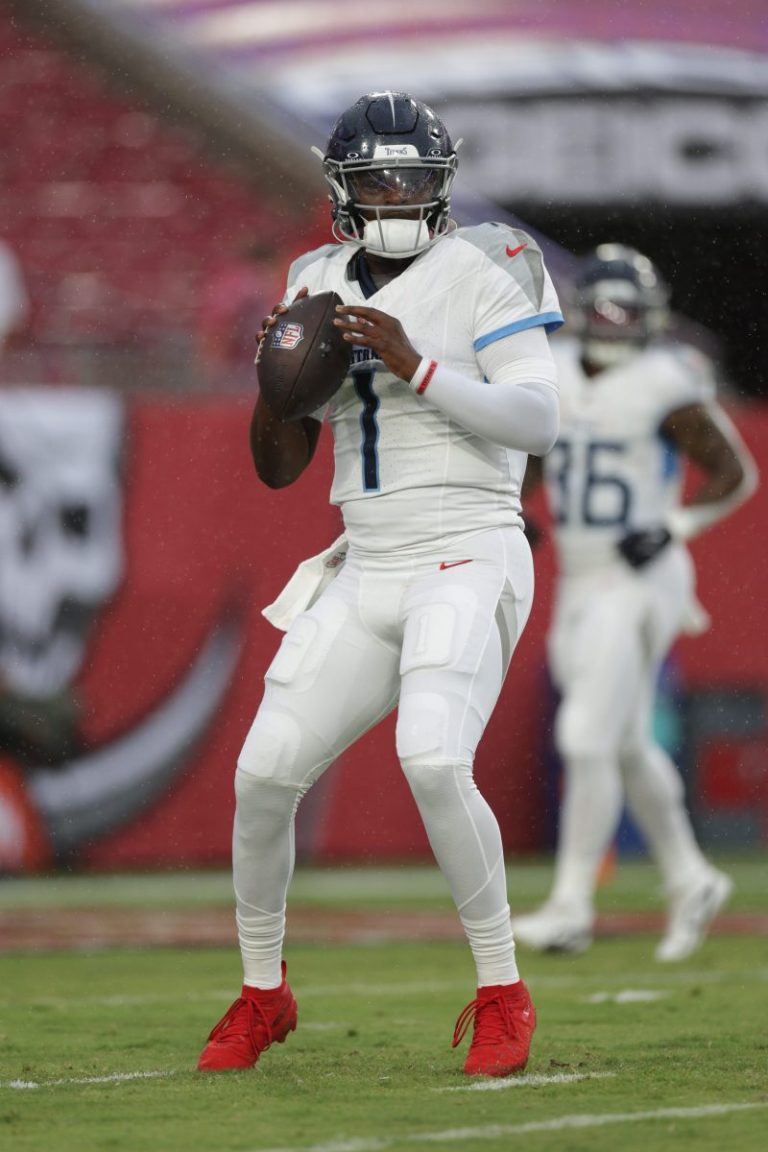
Welcome to the Association, Coop. To illustrate the daunting climb ahead of you, I’m going to rank this century’s No. 1 picks in the NFL – I’m old enough to have covered LeBron and Brown when they were NBA newbies, but football is my area of (alleged) expertise – from best to worst. This year’s top selection, Cam Ward of the Tennessee Titans, gets a one-year exemption, for obvious reasons …

1. QB Eli Manning, San Diego Chargers (2004)

Tabbed by the Bolts against his family’s will, he was traded to the New York Giants within an hour of being picked in a megadeal involving Philip Rivers. Both passers will likely find their way to the Hall of Fame eventually, though Manning was not elected in 2025, his first year of eligibility. But he does own a pair of Super Bowl MVP trophies after vanquishing Tom Brady’s New England Patriots in style two times over. Maybe Eli wasn’t as good individually as older brother Peyton, the No. 1 pick in 1998 and a five-time league MVP, but that doesn’t detract from the exceptional performer and ambassador he was for the Giants over 16 seasons.

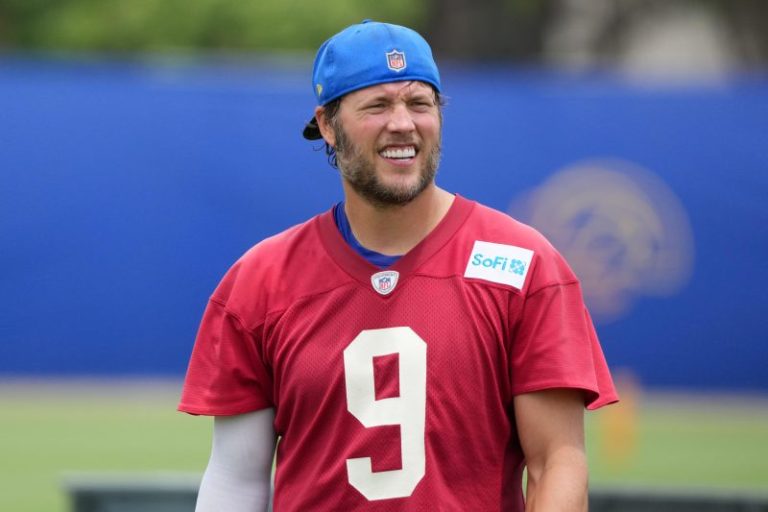
2. QB Matthew Stafford, Detroit Lions (2009)

A late-career surge with the Los Angeles Rams, which included a Super Bowl win to cap the 2021 season, will probably certify Stafford’s Canton credentials. But he deserves more credit than he probably gets for his often-scintillating play on some Lions teams that were overly reliant on him and WR Calvin Johnson for seven years. And Stafford’s relative excellence in Motown hardly subsided in the five seasons following Megatron’s retirement after the 2015 campaign.

3. DE Myles Garrett, Cleveland Browns (2017)

From a personal perspective – four-time All-Pro, 2023 Defensive Player of the Year, 102½ sacks in 117 NFL games – he’s probably already done enough to gain entry into the Hall. In terms of team success, the Browns only have one playoff win since Garrett got there – not that he’s remotely to blame.

4. QB Joe Burrow, Cincinnati Bengals (2020)

Admittedly, this is something of a projection for a guy who’s played the equivalent of four full seasons when you take injuries into account. But Burrow has already carried Cincy to a Super Bowl – a huge feather in his cap – and a pair of appearances in the AFC championship game. He seems to be an MVP-in-waiting, and perhaps that comes this season if he’s able to – forced to? – overcome a deficient Cincinnati D. After leading the league with 4,913 yards and 43 touchdowns through the air in 2024, many league observers thought Burrow deserved quite a bit of MVP consideration despite the Bengals’ failure as a team.

5. QB Jared Goff, Los Angeles Rams (2016)

Despite starting Super Bowl 53, he was part of the package the Rams gave up for Stafford in 2021 – and his relocation to Detroit was widely viewed as something of a salary dump at the time. But give Goff, a two-time Pro Bowler in LA, copious credit – he’s become an even better quarterback with the Lions, throwing for at least 4,400 yards each of the past three seasons and leading the franchise to a level success (including successive division titles) it had not previously experienced during the Super Bowl era (since 1966).

6. QB Cam Newton, Carolina Panthers (2011)

During his first five seasons, the super-sized dual threat lived up to his Superman persona – faster than a speeding linebacker, more powerful than a … linebacker – peaking in 2015 with league MVP honors while the Panthers won the NFC. But Newton was notably terrible in Super Bowl 50 and experienced a steady descent afterward, dogged by injuries and inconsistency.

7. QB Andrew Luck, Indianapolis Colts (2012)

Targeted as the virtually irreplaceable Peyton Manning’s successor, Luck seemed up to the unenviable task … when he was healthy enough to play. He led the Colts to a 33-15 record and a trio of playoff appearances during his first three seasons, which culminated with a loss in the 2014 AFC championship game. But, like Newton, Luck was a big man who was also a big target as he often resorted to a devil-may-care playing style. He only posted 38 times over his final four seasons – he was named Comeback Player of the Year in 2018, when he passed for 39 TDs and nearly 4,600 yards – and shockingly retired during the 2019 preseason, no longer able to shoulder the pain and expectations of his job. The Colts have yet to recover.

NFL LOTTERY? Three reasons league likely won’t ever adopt NBA draft model

8. QB Michael Vick, Atlanta Falcons (2001)

While it probably wouldn’t be accurate to say he’s the paradigm of the dual-threat quarterbacks who are becoming the rule rather than the exception in the modern NFL – I’m giving that credit to Randall Cunningham – Vick certainly inspired a legion of uber-athletic passers who followed him. Had he worked harder as a younger player rather than relying on his gifts – just ask Vick – remained clear of dogfighting and the jail time it earned him and avoided injuries later in his career, he might have wound up a Super Bowl champion and Hall of Famer. Regardless – legend.

9. QB Carson Palmer, Cincinnati Bengals (2003)

For a brief moment, it appeared he might be the guy to do what Burrow seems to be managing and lead the Bengals out of the wilderness. But Palmer tore up his knee on the first pass of his playoff debut – a 66-yard completion – and Cincinnati retreated into irrelevance. Fed up with the organization in later years, Palmer was traded to another backwater in 2011, joining the Raiders for 25 forgettable games. He eventually enjoyed a renaissance with the Cardinals and nearly took them to the Super Bowl.

10. QB Baker Mayfield, Browns (2018)

He emerged as Cleveland’s choice at the 11th hour – a decision he largely vindicated. However the Browns’ decisions to dump Mayfield for Deshaun Watson in 2022 will forever be viewed as an unequivocal disaster. But it may have also catalyzed Mayfield into becoming the player he is now – a two-time Pro Bowler who’s thrown for 69 TDs and nearly 9,000 yards in two years with the Buccaneers. He has plenty of runway ahead to move much further up this list.

11. DE Mario Williams, Houston Texans (2006)

He was the surprising choice over electric USC RB Reggie Bush. But Williams justified his very unpopular selection with the locals, compiling nearly 100 sacks in 11 NFL seasons. A four-time Pro Bowler, most of his career was spent in virtual anonymity with bad teams in Houston and Buffalo. Williams never started a playoff game.

12. QB Alex Smith, San Francisco 49ers (2005)

He spent his career as NFL hurdler – overcoming the transition from Urban Meyer’s college offense at Utah to a pro scheme; getting chosen (instead of Aaron Rodgers) by a bad Niners squad; losing his job to Colin Kaepernick after suffering a concussion in 2012; losing his job to Patrick Mahomes in Kansas City in 2018; and suffering a gruesome leg injury late in his career at Washington but one he miraculously came back from. Still, Smith, a three-time Pro Bowler, was a good player, outstanding teammate and great interview who made the most of his 16-year career (though two seasons were wiped out by injuries).

13. LT Jake Long, Miami Dolphins (2008)

He was a Pro Bowler and dominant player in each of his first four seasons before injuries largely short-circuited the balance of his nine-year career. The Fins thought enough of Long to choose him instead of future league MVP Matt Ryan.

14. LT Eric Fisher, Kansas City Chiefs (2013)

His draft wasn’t exactly star-studded, and Fisher emerged as something of a surprise choice at the top of it. Nevertheless, he was a solid player over the course of a decade, earned a pair of Pro Bowl nods and is one of just three players – along with Eli Manning and Stafford – to play in and win a Super Bowl after being selected No. 1 overall in the 21st century.

15. QB Kyler Murray, Arizona Cardinals (2019)

His potential hasn’t sufficiently matched the production to this point, though he was the Offensive Rookie of the Year and followed that up with Pro Bowl recognition in 2020 and ’21. But Murray ended the 2021 season with a poor performance in a wild-card loss to the Rams and has had to answer a lot of questions about his health and work habits in recent years. Still, plenty of time yet for his career to truly take off, and the Cards seem to be perched for a breakout.

16. DE/OLB Jadeveon Clowney, Texans (2014)

A three-time Pro Bowler, the peripatetic pass rusher has been a very good player who maybe hasn’t been given due credit for his all-around game given edge players are so often judged by sacks − and Clowney has never even had 10 in a single season. Yet it is probably fair to say that he’s never lived up to his highlight-reel promise while at the University of South Carolina.

17. QB Trevor Lawrence, Jacksonville Jaguars (2021)

Projected as a generational prospect years before the Jags secured the opportunity to take him, Lawrence has fallen well short of fulfilling that hype … so far. However, the Meyer debacle of his rookie year and last year’s injury weren’t Lawrence’s fault. And he did flash during the 2022 playoffs while leading Jacksonville to the divisional round. His story is far from written, and a new chapter awaits with the arrival of super-hyped rookie Travis Hunter to help the cause in Duval County.

18. OLB/DE Travon Walker, Jaguars (2022)

A dark horse who galloped to the top of the draft board, Walker has reached double-digit sacks each of the past two seasons. Yet, to date, he hasn’t been nearly the player Detroit’s Aidan Hutchinson, who was drafted directly after him, is. But it’s obviously early in the process.

19. QB Caleb Williams, Chicago Bears (2024)

Greatness is expected of him. But as a rookie, he was the victim of an insufficient organizational infrastructure, one that likely contributed to Williams reverting to some of his troubling college habits – and that meant too many sacks and fumbles. However the arrival of offensively brilliant coach Ben Johnson could spark exponential improvement in Williams’ performance.

20. QB Jameis Winston, Tampa Bay Buccaneers (2015)

Talented. Enigmatic. Beloved. Vexing. If you need a season to sum up Winston, it would be 2019, when he passed for more than 5,000 yards, 33 TDs and 30 INTs. If you need a game to sum up Winston, it occurred last season – when he threw for 497 yards and six TDs (four to his Cleveland teammates, two to Denver Broncos defenders) in a memorable Monday night loss. Usually a favorite in any locker room he graces, Winston has mostly been a backup since the Bucs replaced him with Tom Brady after that 2019 campaign that nearly drove then-coach Bruce Arians crazy.

21. QB Sam Bradford, St. Louis Rams (2010)

His injury history at Oklahoma was predictive of similar setbacks in the NFL. In a sense, his pro career peaked when he won Offensive Rookie of the Year honors. Bradford played for four teams, finishing with a career passer rating of 84.5 and a 34-48-1 record in 83 starts. He never appeared in the postseason.

22. QB Bryce Young, Panthers (2023)

He struggled massively as a rookie and was benched in the early stages of his sophomore season. But after getting back into the lineup, Young started to serve reminders of why Carolina loved him in the first place. Now enjoying continuity under second-year coach Dave Canales, Young has a chance to blossom in 2025.

23. QB David Carr, Texans (2002)

The first selection in club history, he’s probably best known for being sacked a single-season record 76 times during his rookie season. Carr was constantly running for his life in Houston, subsequently developed poor on-field habits and never settled in as the franchise’s foundation. He was a solid backup later in his career, winning a ring with the 2011 Giants.

24. DE Courtney Brown, Browns (2000)

Need a snapshot of why the Browns have almost always stunk? Brown was the No. 1 pick a year after Cleveland kicked off the 1999 draft by choosing QB Tim Couch. Both were waylaid by injuries and their enlistment by an expansion team. Brown wound up with 19 sacks in six NFL seasons – basically what T.J. Watt does for the archrival Pittsburgh Steelers in a year.

DRAFT BUSTS: *50 biggest of past 50 years

25. QB JaMarcus Russell, Oakland Raiders (2007)

Woof. Russell, who began his career with a lengthy holdout, never approached the hype generated by his howitzer arm and legendary pro day. He lasted just three seasons, losing 18 of 25 starts and compiling an abysmal 65.2 passer rating, before laziness and weight gain washed him out of the league. Who could the Raiders have taken instead? Calvin Johnson, Joe Thomas, Adrian Peterson, Patrick Willis, Marshawn Lynch and Darrelle Revis all came off the board in the first half of Round 1 in ’07.

This post appeared first on USA TODAY

The stock market has been on quite the rollercoaster of late, thanks to news headlines. But investors seem to have shrugged off the past weekend’s geopolitical tensions, at least for now. 

On Tuesday, we saw a surge of enthusiasm. Investors were diving back into stocks and selling off their oil and precious metals holdings. Last week, oil prices spiked amid Middle East tensions, but have now fallen to pre-conflict levels. After what felt like a few weeks of the market moving sideways, maybe the stock market got the catalyst it needed to push the major indexes out of their trading range. A ceasefire between Israel and Iran was enough to get things going.

Stocks Get a Boost

Tuesday’s positive tone helped move the stock market higher, with the S&P 500 ($SPX) closing up 1.1%, finally breaking above the top of its trading range. The Nasdaq Composite ($COMPQ) followed suit, with both indexes within spitting distance of their all-time highs. The Nasdaq 100 ($NDX), which closed 1.53% higher, hit a new all-time high. And let’s not forget the Dow Industrials ($INDU), which is also making a strong attempt to push through key resistance levels, even though it’s a little bit further from its all-time high.

Given the Nasdaq 100’s strong performance on Tuesday, it’s worth taking a closer look at the daily chart of the Invesco QQQ Trust (QQQ).

FIGURE 1. DAILY CHART OF QQQ. The ETF hit a new high on June 24 with a potential Golden Cross. If the relative strength index and percentage price oscillator confirm upside momentum, QQQ could rise higher.Chart source: StockCharts.com. For educational purposes.

Besides hitting a new high, note that the 50-day simple moving average (SMA) crossed above the 200-day SMA. This is referred to as a Golden Cross and can be an early sign of bullishness. While it’s not a guaranteed “green light” at such an early stage, it’s worth watching to see if the 50-day SMA continues to stay above the 200-day SMA.

The relative strength index (RSI) is getting closer to overbought territory. If it crosses above 70, it would be another sign of strong bullish momentum. Similarly, the percentage price oscillator (PPO) needs to move into positive territory, meaning the shorter moving average should cross above the longer one. They’re close, but remember these are lagging indicators, meaning they’ll confirm trends that are already underway. Thus, if the 50-day SMA remains above the 20-day SMA, RSI crosses above 70, and PPO confirms upside momentum, it would confirm further upside move in QQQ.

Another interesting point to note: The Cboe Volatility Index ($VIX) closed at 17.48, which suggests investors are relatively complacent. The VIX was relatively subdued during the Middle East conflict, hitting a high of around 22. With less fear, the charts of the major indexes look like they’re going to hit fresh highs. On Tuesday, Technology, Financials, and Communication Services were the top-performing sectors.

Tech Regains Lead

The Technology sector was powered by semiconductors, which have been driving the market lately. The VanEck Vectors Semiconductor ETF (SMH) has broken above the range it’s been trading within for the last couple of weeks and is now close to its 52-week high (see daily chart of SMH below).

FIGURE 2. DAILY CHART OF SMH. Semiconductors have been driving the stock market lately and broke out above the range from the last couple of weeks.Chart source: StockCharts.com. For educational purposes.

Looking at individual stocks, NVIDIA Corp. (NVDA) was the most actively traded S&P 500 stock. A handful of big names are hitting new all-time highs, too; this includes Broadcom, Inc. (AVGO), Cisco Systems, Inc. (CSCO), International Business Machines (IBM), JP Morgan Chase (JPM), Microsoft Corp. (MSFT), and Netflix Inc. (NFLX), just to name a few. For the complete list, check out the “New Highs” panel in your StockCharts Dashboard; you’ll likely notice a significant percentage of tech stocks on the list.

The positive price action on Tuesday suggests investors are rotating into growth stocks, which signals further upside moves in the S&P 500 and Nasdaq stocks. Here’s a more encouraging sign: even the S&P 500 Equal-Weighted Index ($SPXEW) is breaking out and moving towards its highs. This indicates that the market’s strength isn’t limited to a few big, heavily-weighted growth stocks; participation is much broader.

Travel Stocks Get a Lift

Beyond tech stocks, consumer discretionary stocks also traded higher. The top three performers in the Consumer Discretionary sector were Carnival Corp. (CCL), Norwegian Cruise Lines Holdings (NCLH), and Caesars Entertainment (CZR). The MarketCarpet for the Consumer Discretionary sector below shows travel stocks were strong performers on Tuesday.

FIGURE 3. MARKETCARPET FOR THE CONSUMER DISCRETIONARY SECTOR. The table on the right shows CCL, NCLH, and CZR were the top performers.Image source: StockCharts.com. For educational purposes.

CCL’s stock price gapped up after the company reported strong earnings and guidance. An increase in cruise line bookings indicates consumer sentiment is strong. As a result, cruise lines and travel stocks traded higher. This goes against June’s Consumer Confidence report, which showed weakening confidence. It didn’t seem to impact the market, but it may come back to bite us depending on what news headlines we are likely to receive on Wednesday.

Closing Position

Tuesday’s price action suggests that equities are back on their bullish track after a period of consolidation. Will the upside move hold, or will a negative news headline bring the bears back into the market?

This is where your StockCharts tools come in handy! Keep a close eye on the performance of the major indexes and other helpful indicators such as the RSI and PPO. By using these tools, you can stay on top of the stock market and make investment decisions with greater confidence.


Disclaimer: This blog is for educational purposes only and should not be construed as financial advice. The ideas and strategies should never be used without first assessing your own personal and financial situation, or without consulting a financial professional.

Join Dave as he shares how he uses the power of Fibonacci retracements to anticipate potential turning points. He takes viewers through the process of determining what price levels to use to set up a Fibonacci framework, and, from there, explains what Fibonacci retracements are telling him about the charts of NCLH, RTX, and the S&P 500

This video originally premiered on June 24, 2025. Watch on StockCharts’ dedicated David Keller page!

Previously recorded videos from Dave are available at this link.

As the cycle of uncertainty continues to yield confusion than clarity, investors are again caught having to decide between taking an offensive and defensive posture in the market. The tough part in today’s market environment is how fast situations can shift. With headlines driving the action, sentiment can flip on a dime. So how do you position yourself when breaking news drives the market?

No one can predict how the stock market will play out in the coming months. But keeping an eye on the ratio of “offense” to “defense” stocks can offer some clues. This may not give you a decisive trade scenario, but it can provide a clearer context that can help you form a more bullish or bearish decisive bias.

For this article, let’s refer to the StockCharts Market Summary tool and zoom in on the Technology vs. Utilities ratio (XLK:XLU), which you can find in the Key Ratios – Offense vs Defense panel.

Why XLK:XLU Ratio Matters

This ratio compares the Technology Select Sector SPDR Fund (XLK) with the Utilities Select Sector SPDR Fund (XLU), both being sector proxies (see the one-year ratio chart below).

FIGURE 1. TECH VS UTILITIES RATIO: From a one-year perspective, utilities have outperformed tech.

The key question is whether capital will continue chasing innovation and growth or seek shelter in the relative stability of power grids and water systems. The answer, when it eventually comes, could signal the economy’s next move.

On the one-year chart, the XLK:XLU ratio shows an attempted recovery from a general decline. Note how the ratio percentage is negative. That’s because, over the past year, utilities have generally performed stronger than tech. But we’re seeing tech’s performance strengthening, and a sustained move toward (and eventually into) positive territory would suggest a stronger shift in bullish sentiment.

Notably, XLK and XLU are trading at their respective highs, with XLK already breaking above it. The question remains which sector may be topping or outpacing the other in a more sustained manner.

XLK Breaks Higher: A Bullish Signal?

Here’s a daily chart of XLK.

FIGURE 2. DAILY CHART OF XLK. A proxy for the tech sector, XLK has broken above resistance. The key question now is whether it can hold above this level and follow through, or if it’s topping out amid the current geopolitical uncertainties.

XLK’s surge from its April bottom, including the gap above $243, signals bullish momentum. It’s also trading above the 200-day simple moving average (SMA) while its StockCharts Technical Rank (SCTR) score has climbed above 76, signaling technical strength. Volume-wise, the Chaikin Money Flow (CMF) shows renewed strength in buying pressure, though CMF levels are down considerably since their highest levels in May.

XLU’s Rally: Strong, But Losing Steam

Compare XLK’s chart to XLU’s daily chart.

FIGURE 3. DAILY CHART OF XLU. The Utilities sector is challenging its highs, but is XLU losing steam, and will XLK eventually outpace it?

XLU is attempting to challenge its highs near the $82.50 range, though it hasn’t penetrated the top. Its SCTR score is also bullish at 77, though it’s not as convincing as that of XLK. XLU’s CMF reading also shows weakened buying pressure, as its levels are barely hovering above the zero line.

What These Charts Are Saying

Taken together, these charts aren’t about calling the next big trade. They’re about reading near-term sentiment and getting a feel for where investors think the economy is headed amid this tense geopolitical backdrop.

When both offense and defense are rising, it suggests uncertainty, with capital flowing in both directions. But when one sector pulls ahead, it may signal where institutional money is placing its bets. Whether you’re a short-term trader or long-term investor, tracking this ratio can help anchor your outlook, especially as global events continue to fuel market volatility.

Keep XLK and XLU on your ChartLists and continue to monitor this ratio, along with other comparative tools on the Market Summary page. Also, pay close attention to news developments.

At the Close

The XLK:XLU ratio might not give you the most comprehensive or surefire signal about investor sentiment, but it’s an important piece of the puzzle. It can help you see the bigger picture, which is a crucial step before placing any trades.


Disclaimer: This blog is for educational purposes only and should not be construed as financial advice. The ideas and strategies should never be used without first assessing your own personal and financial situation, or without consulting a financial professional.

Germany and Italy are facing mounting domestic pressure to repatriate more than a third of their gold reserves — worth an estimated US$245 billion — currently held in New York by the US Federal Reserve.

Germany and Italy hold the world’s second and third largest gold reserves, trailing only the US. A substantial portion of this metal is stored overseas, primarily in Manhattan’s Federal Reserve Bank.

This longstanding arrangement, based largely on postwar financial realities and New York’s role as a major global gold-trading hub, is now being questioned by officials and commentators across Europe’s political spectrum.

Fabio De Masi, a former member of European Parliament now affiliated with Germany’s new left-wing populist BSW party, told the Financial Times there are “strong arguments” to bring more of Germany’s bullion back home.

Taxpayers Association of Europe (TAE) President Michael Jäger echoed the same sentiments last month: ‘Trump wants to control the Fed, which would also mean controlling the German gold reserves in the US,’ he told Reuters.

‘It’s our money, it should be brought back.’

Similar calls are being echoed in Italy, where economic commentator Enrico Grazzini recently warned that “leaving 43 per cent of Italy’s gold reserves in America under the unreliable Trump administration is very dangerous for the national interest.’ He was writing in Il Fatto Quotidiano ahead of Prime Minister Giorgia Meloni’s visit to Washington.

Fueling this renewed concern are statements made by US President Donald Trump, who earlier this month warned that he may have to “force something” if the US Federal Reserve does not lower interest rates.

Trump has also made direct appeals to the Department of Energy to stimulate oil production, signaling what critics interpret as increasing politicization of independent institutions like the Fed.

The TAE has urged both Germany and Italy to reconsider their reliance on the Fed. “We are very concerned about Trump tampering with the Federal Reserve Bank’s independence,” Jäger said. “Our recommendation is to bring the (German and Italian) gold home to ensure European central banks have unlimited control over it at any given point in time.”

Public skepticism over the safety of foreign gold holdings is not new.

In Germany, a grassroots movement that began in 2010 eventually prompted the Bundesbank to repatriate 674 metric tons of gold from New York and Paris between 2013 and 2017. The operation, which cost 7 million euros, resulted in half of Germany’s reserves being stored domestically by 2020. Nevertheless, 37 percent of its gold remains in the US.

Meloni’s Brothers of Italy party once echoed similar sentiments while in opposition, pledging in 2019 to bring Italy’s gold back home. But since assuming power in 2022, Meloni has largely gone silent on the issue.

Skepticism about US stewardship is not limited to political rhetoric.

According to the World Gold Council’s latest survey on central bank gold reserves, 43 percent of the central banks surveyed plan to increase their gold holdings in the coming year — a record high.

The overwhelming majority of respondents (95 percent) expect global central bank gold reserves to keep rising, citing gold’s performance during crises, its inflation-hedging capabilities and its role as a diversifier. Notably, 59 percent of central banks surveyed reported holding at least part of their gold reserves domestically, up from 41 percent in 2024.

Although the Bank of England remains the most popular vaulting location, the World Gold Council’s survey reveals growing caution over US custodianship: only 7 percent of respondents said they planned to increase domestic storage last year, but the figure jumped significantly in 2025.

New bill calls for US gold audit

Adding another layer of complexity is the push in Washington for greater transparency about America’s gold reserves. House Bill 3795, introduced by Representative Thomas Massie and backed by three co-sponsors, calls for the first comprehensive audit of US gold holdings in over six decades.

The bill would mandate a full inventory and assay of gold stored at Fort Knox, West Point and the Denver Mint, as well as a forensic accounting of all transactions involving US gold over the last 50 years.

“The question as to who actually owns the bars outright is really the most crucial question. And if it is shown that America does not actually own the gold, if the gold is there, but America does not own it, (or) if it has been pledged or leased or swapped or otherwise encumbered in any way … this would be a huge, huge detriment to the US and the global economy.”

Cortez emphasized that prior audits of US gold reserves have been insufficient.

“These aren’t audits that have been done on the metal itself, but rather the storage containers that the metal is supposedly stored in,’ he said. “Owners or operators of a depository who functioned like this would go to jail.”

He also pointed out that much of the gold held by the US government is impure by modern market standards, having been melted down from older coinage. That means even if the bars are there, refinement questions will remain.

While Trump has not explicitly endorsed HB 3795, he has expressed interest in the issue, stating, ‘We’re actually going to Fort Knox to see if the gold is there. Because maybe somebody stole the gold. Tons of gold.’

Securities Disclosure: I, Giann Liguid, hold no direct investment interest in any company mentioned in this article.

This post appeared first on investingnews.com

(TheNewswire)

TORONTO, ON TheNewswire – June 25, 2025 –Silver Crown Royalties Inc. (‘Silver Crown’, ‘SCRi’, the ‘Corporation’, or the ‘Company’) (Cboe:SCRI; OTCQX:SLCRF; FRA:QS0) reports that all resolutions proposed to shareholders at the annual general meeting of shareholders (held on June 24, 2025) were approved, including the election of all of the director nominees listed in the management information circular for the meeting. Please refer to the report of voting results filed under SCRi’s profile at www.sedarplus.ca for further details.

Voting as to each of the director nominees was as follows:

DIRECTORS

VOTES FOR

VOTES WITHHELD

Peter Bures

201,149

100%

0

0%

Peter Schloo

201,149

100%

0

0%

Peter Simeon

201,149

100%

0

0%

Philip van den Berg

201,149

100%

0

0%

ABOUT Silver Crown Royalties INC.

Founded by industry veterans, Silver Crown Royalties ( Cboe: SCRI | OTCQX: SLCRF | BF: QS0 ) is a publicly traded, silver royalty company. Silver Crown (SCRi) currently has four silver royalties of which three are revenue-generating. Its business model presents investors with precious metals exposure that allows for a natural hedge against currency devaluation while minimizing the negative impact of cost inflation associated with production. SCRi endeavors to minimize the economic impact on mining projects while maximizing returns for shareholders. For further information, please contact:

Silver Crown Royalties Inc.

Peter Bures, Chairman and CEO

Telephone: (416) 481-1744

Email: pbures@silvercrownroyalties.com

FORWARD-LOOKING STATEMENTS

This release contains certain ‘forward looking statements’ and certain ‘forward-looking information’ as defined under applicable Canadian and U.S. securities laws. Forward-looking statements and information can generally be identified by the use of forward-looking terminology such as ‘may’, ‘will’, ‘should’, ‘expect’, ‘intend’, ‘estimate’, ‘anticipate’, ‘believe’, ‘continue’, ‘plans’ or similar terminology. The forward-looking information contained herein is provided for the purpose of assisting readers in understanding management’s current expectations and plans relating to the future. Forward-looking statements and information are based on forecasts of future results, estimates of amounts not yet determinable and assumptions that, while believed by management to be reasonable, are inherently subject to significant business, economic and competitive uncertainties and contingencies. Forward-looking information is subject to known and unknown risks, uncertainties and other factors that may cause the actual actions, events or results to be materially different from those expressed or implied by such forward-looking information, including but not limited to: the impact of general business and economic conditions; the absence of control over mining operations from which SCRi will purchase gold and other metals or from which it will receive royalty payments and risks related to those mining operations, including risks related to international operations, government and environmental regulation, delays in mine construction and operations, actual results of mining and current exploration activities, conclusions of economic evaluations and changes in project parameters as plans continue to be refined; accidents, equipment breakdowns, title matters, labor disputes or other unanticipated difficulties or interruptions in operations; SCRi’s ability to enter into definitive agreements and close proposed royalty transactions; the inherent uncertainties related to the valuations ascribed by SCRi to its royalty interests; problems inherent to the marketability of gold and other metals; the inherent uncertainty of production and cost estimates and the potential for unexpected costs and expenses; industry conditions, including fluctuations in the price of the primary commodities mined at such operations, fluctuations in foreign exchange rates and fluctuations in interest rates; government entities interpreting existing tax legislation or enacting new tax legislation in a way which adversely affects SCRi; stock market volatility; regulatory restrictions; liability, competition, the potential impact of epidemics, pandemics or other public health crises on SCRi’s business, operations and financial condition, loss of key employees. SCRi has attempted to identify important factors that could cause actual results to differ materially from those contained in forward-looking statements, there may be other factors that cause results not to be as anticipated, estimated or intended. There can be no assurance that such statements will prove to be accurate, as actual results and future events could differ materially from those anticipated in such statements. Accordingly, readers are advised not to place undue reliance on forward-looking statements or information. SCRi undertakes no obligation to update forward-looking information except as required by applicable law. Such forward-looking information represents management’s best judgment based on information currently available.

This document does not constitute an offer to sell, or a solicitation of an offer to buy, securities of the Company in Canada, the United States or any other jurisdiction. Any such offer to sell or solicitation of an offer to buy the securities described herein will be made only pursuant to subscription documentation between the Company and prospective purchasers. Any such offering will be made in reliance upon exemptions from the prospectus and registration requirements under applicable securities laws, pursuant to a subscription agreement to be entered into by the Company and prospective investors. There can be no assurance that forward-looking statements will prove to be accurate, as actual results and future events could differ materially from those anticipated in such statements. Accordingly, the reader is cautioned not to place undue reliance on forward-looking statements.

CBOE CANADA DOES NOT ACCEPT RESPONSIBILITY FOR THE ADEQUACY OR ACCURACY OF THIS NEWS RELEASE.

Copyright (c) 2025 TheNewswire – All rights reserved.

News Provided by TheNewsWire via QuoteMedia

This post appeared first on investingnews.com

Lode Gold Resources Inc. (TSXV: LOD) (OTCQB: LODFF) (‘Lode Gold’ or the ‘Company’) is pleased to announce that it has engaged experienced capital markets and strategic advisors to support the advancement of its Fremont Mine in Mariposa, California. These advisors will assist in securing strategic investors and partners as the Company moves into the next phase of development.

As part of its current development strategy, Lode Gold is also engaging with mining contractors and progressing with engineering evaluations aimed at optimizing the mine plan and initiating permitting. The Company’s evaluation is focused on three key priorities:

  • High-grading during early production years to enhance initial project economics
  • Scaling production to over 100,000 ounces per year in later phases

‘Our objective is to take a disciplined and scalable approach to developing the Fremont Project,’ said Wendy T. Chan, CEO and Director at Lode Gold. ‘By securing the right strategic partnership, we will focus on various technical initiatives to optimize project economics, expedite permitting and get to production in near term. Being in a jurisdiction that is now increasingly aligned with domestic resource development, Fremont presents an interesting investment opportunity.’

The Fremont Mine is an advanced-stage exploration and development asset, on 100% private and patented land. It is located in Mariposa, an Opportunity Zone designated to attract investments with tax incentives provided by Trump’s Administration. The 2023 Preliminary Economic Assessment (PEA) outlined positive project economics at a gold price of USD $1,750, based on an annual production rate of approximately 130,000 ounces. More recently, an NI 43 -101 compliant mineral resource estimate (MRE 2025) was completed with a new geological model that separately evaluated vein and stockwork mineralization. Only 8% of the total mineral resource, filed at SEDAR+ (April 2025) has been extracted, mostly in the first 250 m. At a 1 g/t cut-off, the average true width is 53 m (at 3 g/t cut-off, the width is 16.8 m).

Upcoming Near Term 2025-2026 Catalysts:

  • Rehabilitation of 2 km underground workings
  • Expedite access to two adits, out of a total of 14
  • Channel sampling to upgrade resources to M&I
  • Metallurgy and Recovery Studies
  • Geotechnical work and rock mechanics assessments
  • Drilling 3,000 m to initiate Pre-Feasibility Study
  • Completion of Pre-Feasibility Study (underground bulk mining and other optimized methods will be evaluated)

About Lode Gold

Lode Gold (TSXV: LOD) is an exploration and development company with projects in highly prospective and safe mining jurisdictions in Canada and the United States.

In Canada, its assets in Yukon sit on the southern portion of the prolific Tombstone Belt. It covers 99.5 km2 across a 27 km strike.  Over 4,500 m have been drilled with confirmed gold endowment and economic drill intercepts over 50 m. There are four reduced-intrusive targets (RIRGS), in addition to sedimentary-hosted orogenic exploration gold.

In New Brunswick, Lode Gold, through its subsidiary 1475039 B.C. Ltd. (soon to be spun out into Gold Orogen), has created one of the largest land packages with its Acadian Gold Joint Venture, consisting of an area that spans 445 km2 with a 44 km strike. It has confirmed gold endowment with mineralized rhyolites.

In preparation for the spin-out, NI 43 101 technical reports have been prepared for all assets in Yukon and New Brunswick in 2024.

In the United States, the Company is focused on its advanced exploration and development asset, the Fremont Mine in Mariposa, California. According to the NI 43- 101 Compliant 2025 MRE, the asset contains 1.3 Moz at 4.4 g/t (3 g/t cut-off) with an average true width: 16.8 m.

Fremont was previously mined at 10.7 g/t. During gold mining prohibition in WWII, its mining license was suspended. Only 8% of the resource identified in the 2025 MRE has been extracted. This asset has exploration upside and is open at depth (three step-out holes at 1,300 m hit structure and were mineralized) and on strike. This is a brownfield project with over 43,000 m drilled, 23 km of underground workings and 14 adits. The project has excellent infrastructure and is close to electricity, water, roads, railhead and port.

Recently, the Company completed an internal scoping study, with a strategic pivot to 100% underground mining. Previously, in March 2023, the Company completed an NI 43-101 Preliminary Economic Assessment (‘PEA’) with an open pit and underground combination mine. The NI 43-101 technical reports are available on the Company’s profile on SEDAR+ (www.sedarplus.ca) and the Company’s website (www.lode-gold.com).

Qualified Person Statement

The scientific and technical information contained in this press release has been reviewed and approved by Jonathan Victor Hill, Director, BSc (Hons) (Economic Geology – UCT), FAusIMM, and who is a ‘qualified person’ as defined by National Instrument 43-101 – Standards of Disclosure for Mineral Projects (‘NI 43-101’).

ON BEHALF OF THE COMPANY
Wendy T. Chan 
CEO & Director

Information Contact:

Winfield Ding 
CFO
info@lode-gold.com
+1-(604)-977-GOLD (4653)

Jenna Mosher 
Investor Relations
jenna@lode-gold.com
+1 (604) -977-GOLD (4653) 

Cautionary Note Related to this News Release and Figures

This news release contains information about adjacent properties on which the Company has no right to explore or mine. Readers are cautioned that mineral deposits on adjacent properties are not indicative of mineral deposits on the Company’s properties.

Cautionary Statement Regarding Forward-Looking Information

Neither the TSX Venture Exchange nor its Regulation Services Provider (as that term is defined in the policies of the TSX Venture Exchange) accepts responsibility for the adequacy or accuracy of this release.

This news release includes ‘forward-looking statements’ and ‘forward-looking information’ within the meaning of Canadian securities legislation. All statements included in this news release, other than statements of historical fact, are forward-looking statements including, without limitation, statements with respect to the use of proceeds, advancement and completion of resource calculation, feasibility studies, and exploration plans and targets. Forward-looking statements include predictions, projections and forecasts and are often, but not always, identified by the use of words such as ‘anticipate’, ‘believe’, ‘plan’, ‘estimate’, ‘expect’, ‘potential’, ‘target’, ‘budget’ and ‘intend’ and statements that an event or result ‘may’, ‘will’, ‘should’, ‘could’ or ‘might’ occur or be achieved and other similar expressions and includes the negatives thereof.

Forward-looking statements are based on a number of assumptions and estimates that, while considered reasonable by management based on the business and markets in which the Company operates, are inherently subject to significant operational, economic, and competitive uncertainties, risks and contingencies. These include assumptions regarding, among other things: the status of community relations and the security situation on site; general business and economic conditions; the availability of additional exploration and mineral project financing; the supply and demand for, inventories of, and the level and volatility of the prices of metals; relationships with strategic partners; the timing and receipt of governmental permits and approvals; the timing and receipt of community and landowner approvals; changes in regulations; political factors; the accuracy of the Company’s interpretation of drill results; the geology, grade and continuity of the Company’s mineral deposits; the availability of equipment, skilled labour and services needed for the exploration and development of mineral properties; currency fluctuations; and impact of the COVID-19 pandemic.

There can be no assurance that forward-looking statements will prove to be accurate and actual results, and future events could differ materially from those anticipated in such statements. Important factors that could cause actual results to differ materially from the Company’s expectations include a deterioration of security on site or actions by the local community that inhibits access and/or the ability to productively work on site, actual exploration results, interpretation of metallurgical characteristics of the mineralization, changes in project parameters as plans continue to be refined, future metal prices, availability of capital and financing on acceptable terms, general economic, market or business conditions, uninsured risks, regulatory changes, delays or inability to receive required approvals, unknown impact related to potential business disruptions stemming from the COVID-19 outbreak, or another infectious illness, and other exploration or other risks detailed herein and from time to time in the filings made by the Company with securities regulators, including those described under the heading ‘Risks and Uncertainties’ in the Company’s most recently filed MD&A. The Company does not undertake to update or revise any forward-looking statements, except in accordance with applicable law.

To view the source version of this press release, please visit https://www.newsfilecorp.com/release/256755

News Provided by Newsfile via QuoteMedia

This post appeared first on investingnews.com

(TheNewswire)

The CHARBONE team will serve as expert matter advisors to a private Malaysian financial group for the development and construction of their first modular and scalable production facility in the Asia-Pacific region.

Brossard, Quebec TheNewswire – June 25, 2025 Charbone Hydrogen Corporation (TSXV: CH; OTCQB: CHHYF; FSE: K47) (the ‘Company’ or ‘CHARBONE ‘), North America’s only publicly traded pure-play company focused on green hydrogen production and distribution, is pleased to announce that it has executed a Master Collaborative Agreement with Green Hydrogen ASIAPAC SDN BHD to support the deployment of its first dihydrogen Ultra High Purity (UHP) production flagship facility in Malaysia, based on the CHARBONE modular and scalable model. The decentralized distributed approach for end-users will be part of a new sustainable ecosystem in Malaysia and could eventually be extended to the Asia Pacific region, where CHARBONE could leverage its expertise.

Through the collaboration agreement, CHARBONE will provide experience in various areas of a complete project development, construction, and operation of the facility. This includes, but is not limited to, site selection, interconnection, power purchase and offtake agreements, front-end engineering and design (FEED), project financing, and the identification and selection of appropriate suppliers, such as engineering, production, and distribution equipment.

CHARBONE will share its extensive experience and knowledge gained over the last five years and monetize it. In return, it will diversify and increase its revenue stream through a collaborative approach that will be replicated with other partners and countries in the region, benefiting its shareholders who have been strong supporters of the CHARBONE model for years.

The Collaborative Agreement will provide CHARBONE with a single one-time fee that can be paid in cash or invested in the project. CHARBONE is currently negotiating similar agreements and arrangements with other partners in different regions of the globe.

This agreement recognized all the efforts that CHARBONE has deployed over the last five (5) years to create a sustainable ecosystem model that works in the real world and not only in the North American market ,’ said Dave Gagnon, President and CEO of Charbone. He continued , ‘ when you look at the current hydrogen market, you do realize that the two most promising markets are North America and Asia-Pacific, which we are starting now.

We are delighted to formalize this strategic collaboration with CHARBONE. Their proven modular and decentralized approach aligns perfectly with our vision to accelerate the adoption of green hydrogen in Malaysia and the wider Asia-Pacific region. By leveraging CHARBONE’s unique expertise and advisory capabilities, we are confident that we will deliver a high-quality, scalable, and sustainable production project that will serve as a blueprint for future developments ,’ said Kamshul Kasim, Executive Chairman of Green Hydrogen ASIAPAC SDN BHD. He continued , ‘ this partnership marks a significant milestone in our commitment to contribute to Malaysia’s clean energy transition and to position ourselves at the forefront of the emerging green hydrogen economy in the region.

About CHARBONE Corporation

CHARBONE is an integrated company specialized in Ultra High Purity (UHP) hydrogen and the strategic distribution of industrial gases in North America and the Asia-Pacific region. It is developing a modular network of green hydrogen production while partnering with industry players to supply helium and other specialty gases without the need to build costly new plants. This disciplined strategy diversifies revenue streams, reduces risks, and increases flexibility. The CHARBONE group is publicly listed in North America and Europe on the TSX Venture Exchange (TSXV: CH), the OTC Markets (OTCQB: CHHYF), and the Frankfurt Stock Exchange (FSE: K47). For more information, visit www.charbone.com .

Forward-Looking Statements

This news release contains statements that are ‘forward-looking information’ as defined under Canadian securities laws (‘forward-looking statements’). These forward-looking statements are often identified by words such as ‘intends’, ‘anticipates’, ‘expects’, ‘believes’, ‘plans’, ‘likely’, or similar words. The forward-looking statements reflect management’s expectations, estimates, or projections concerning future results or events, based on the opinions, assumptions and estimates considered reasonable by management at the date the statements are made. Although Charbone believes that the expectations reflected in the forward-looking statements are reasonable, forward-looking statements involve risks and uncertainties, and undue reliance should not be placed on forward-looking statements, as unknown or unpredictable factors could cause actual results to be materially different from those reflected in the forward-looking statements. The forward-looking statements may be affected by risks and uncertainties in the business of Charbone. These risks, uncertainties and assumptions include, but are not limited to, those described under ‘Risk Factors’ in the Corporation’s Filing Statement dated March 31, 2022, which is available on SEDAR at www.sedar.com; they could cause actual events or results to differ materially from those projected in any forward-looking statements.

Except as required under applicable securities legislation, Charbone undertakes no obligation to publicly update or revise forward-looking information.

Neither TSX Venture Exchange nor its Regulation Services Provider (as that term is defined in policies of the TSX Venture Exchange) accepts responsibility for the adequacy or accuracy of this release .

Contact Charbone Hydrogen Corporation

Telephone: +1 450 678 7171

Email: ir@charbone.com

Benoit Veilleux

CFO and Corporate Secretary

Copyright (c) 2025 TheNewswire – All rights reserved.

News Provided by TheNewsWire via QuoteMedia

This post appeared first on investingnews.com